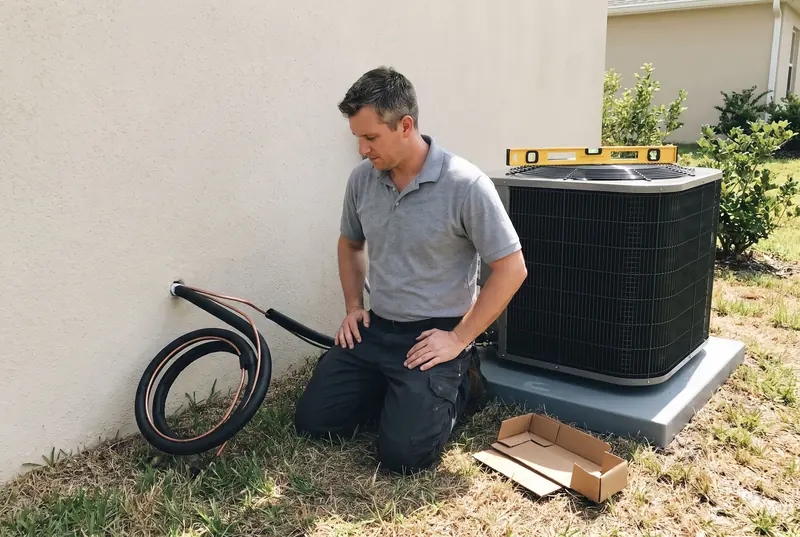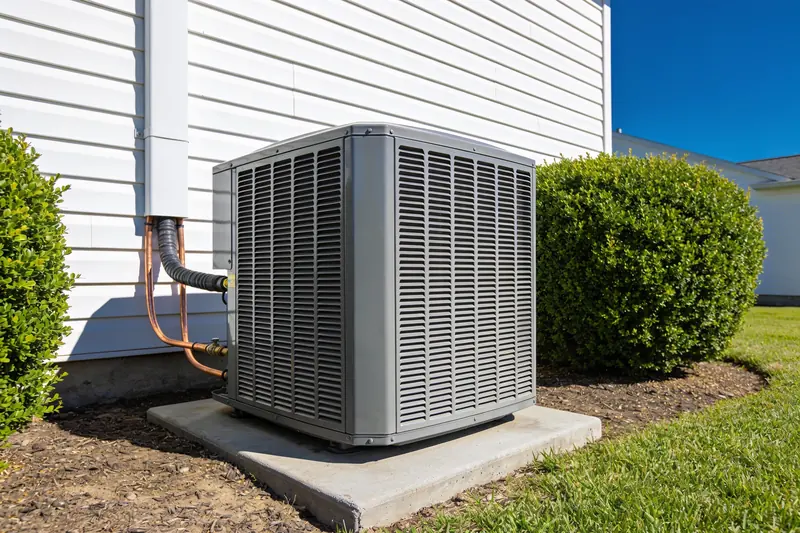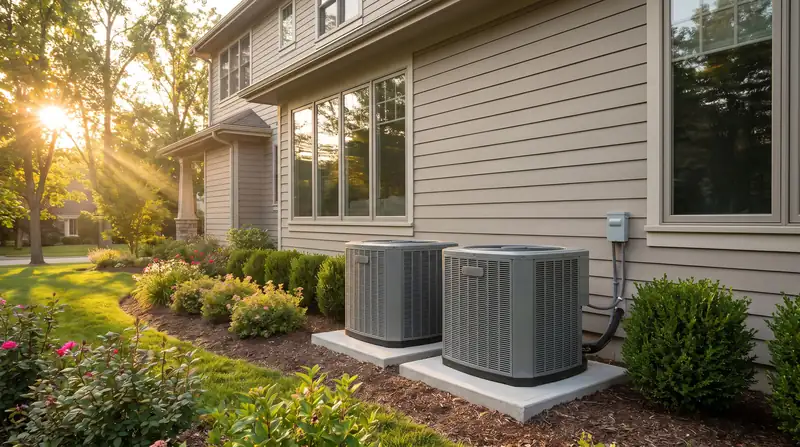

The name on the equipment matters far less than most people think. What decides whether a new AC delivers its rated efficiency for fifteen years is the installation, and a sloppy one gives away a big share of that efficiency on day one. Size it too large and it short-cycles, pulls out little moisture, and leaves your Glenview home cool but clammy. Size it too small and it runs nonstop without ever catching up on the hottest afternoons. Glenview HVAC avoids both by running a proper load calculation based on your square footage, insulation, window exposure, and ductwork, rather than simply copying whatever tonnage the previous contractor installed.
The repair homeowners call us about most is AC Repair. If something has stopped working, start there.
Warning Signs for AC Installation
The sooner you notice these red flags, the easier and cheaper the fix. Watch for these telltale signs:
- An AC that cannot keep up on the hottest days, no matter how long it runs
- A failed compressor or leaking evaporator coil on an aging unit
- Your current AC is past the twelve-to-fifteen-year mark
- More frequent repairs, each one costing more than the last
- Higher cooling costs each year with less comfort to show for it
- Uneven cooling, with certain rooms that never get comfortable
- The house feels cold but sticky, a classic sign of oversizing
- The system still uses phased-out R-22 refrigerant
Early Action Saves Money
What seems like a minor issue today can take out a compressor or heat exchanger tomorrow. Call (224) 395-7917 at the first sign of trouble.